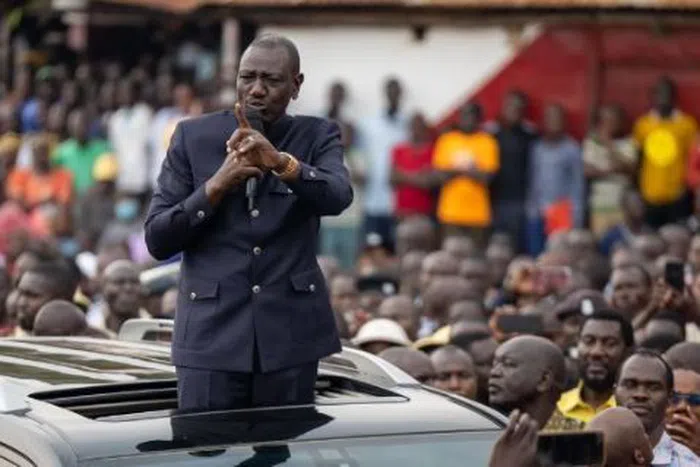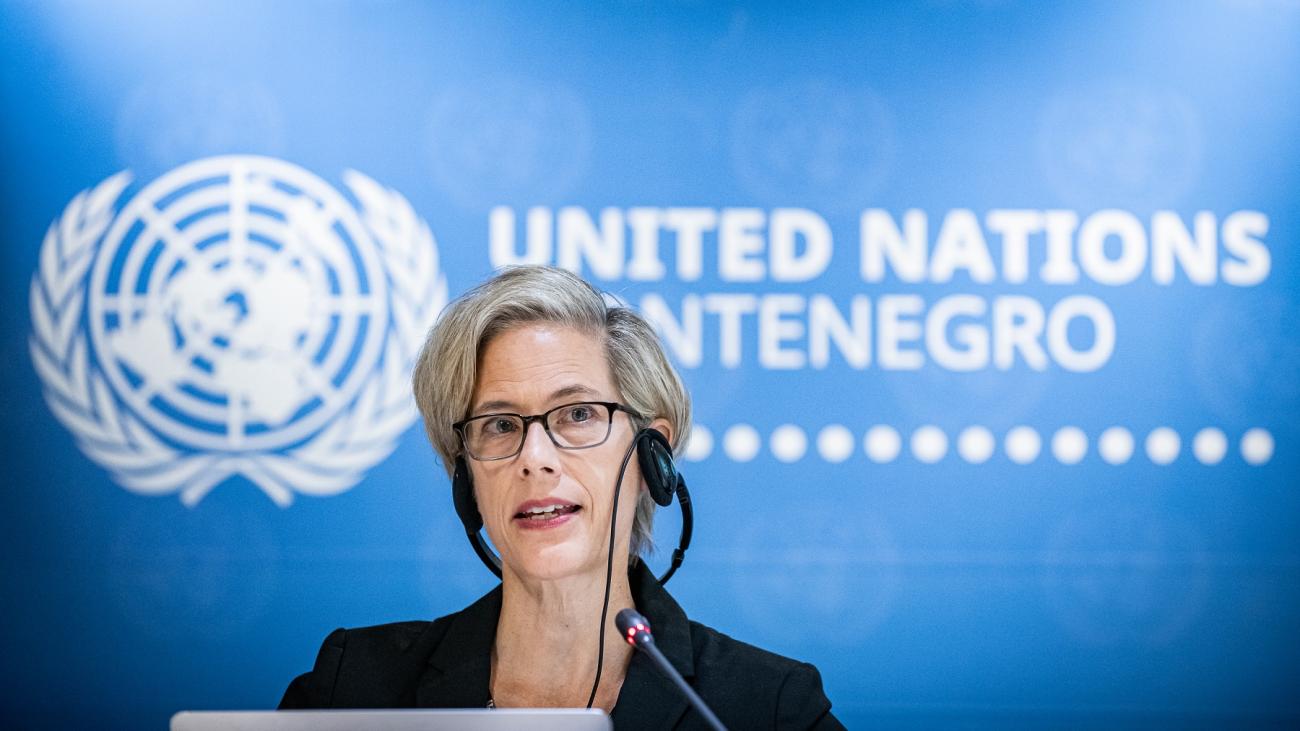


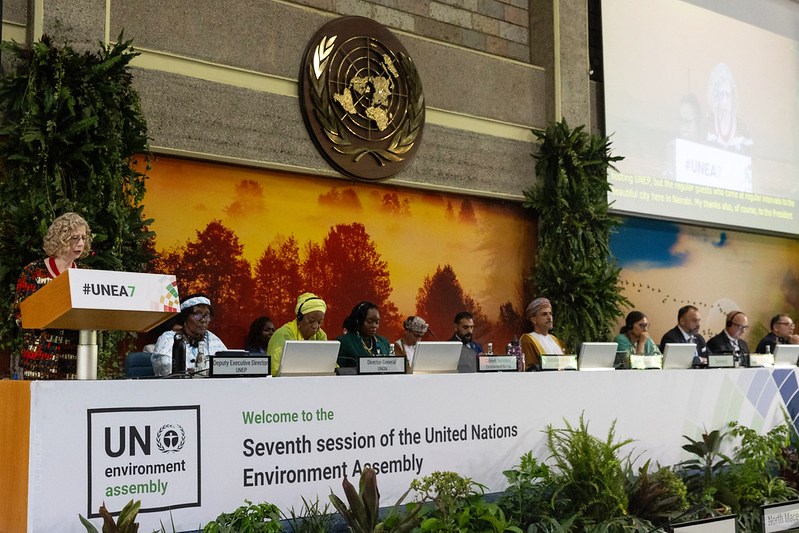
Delegates at United Nations Environment Assembly (UNEA-7) at UNEP in Nairobi. PHOTO/UN.
By PATRICK MAYOYO
The recent outcome of the United Nations Environment Assembly (UNEA-7) marked a significant yet largely disappointing moment in the global effort to manage mineral resources sustainably.
Despite the growing urgency surrounding the environmental and social impacts of mineral extraction, the assembly failed to reach a binding framework that could set global standards for mineral governance.
This shortcoming, warned the European Environmental Bureau (EEB), exposes the limitations of international cooperation, leaving local communities and ecosystems vulnerable to ongoing harm from the mining sector.
The resolution agreed upon at UNEA-7 introduces some positive elements, such as promoting structured dialogues on resource recovery, circularity, and the management of tailings waste. These measures, in principle, could help encourage more sustainable mining practices and support developing countries.
However, the EEB points out that the text ultimately falls short of what is needed to address the full scope of challenges, particularly the need for binding environmental and human rights protections.
Negotiators notably removed proposals for enforceable instruments, leaving the resolution devoid of concrete, enforceable actions. As a result, the assembly has missed a crucial opportunity to create a global framework that could mitigate the adverse impacts of mining on both people and the planet.
One of the key criticisms highlighted by the EEB is that, while the resolution does encourage cooperation and capacity-building, it does not mandate any binding standards for critical issues such as environmental protection, the rights of Indigenous communities, or human rights due diligence.
The absence of these safeguards is especially concerning in light of the growing demand for minerals, driven in part by the energy transition and technology sectors.
Without binding global rules, countries will likely continue to face pressure to weaken environmental and social protections in the pursuit of economic growth, while local communities bear the brunt of mining’s negative effects.
The resolution, tabled by Colombia and Oman, does provide some operational clarity by establishing a two-year dialogue process aimed at enhancing international cooperation and addressing issues like tailings management and resource recovery.
However, the lack of a formal negotiation track for binding agreements means that the process remains more symbolic than transformative. As noted by Diego Marin, Senior Policy Officer at EEB, the absence of strong commitments reflects a broader crisis in multilateralism, where geopolitical tensions and lack of ambition prevent meaningful progress.
Looking ahead, the EEB urges governments and the United Nations Environment Programme (UNEP) to take advantage of the next two years to build momentum towards the negotiation of a more robust global framework. This framework must be inclusive, rights-centred, and capable of addressing the real and escalating threats posed by unsustainable mineral extraction.
Anything less, the EEB warns, will allow the cycle of environmental degradation and human rights violations to continue, undermining the future of communities around the world and exacerbating global inequalities.
In sum, while UNEA7’s resolution marks a small step forward, it represents a missed opportunity to lay the groundwork for meaningful change in the management of global mineral resources.
The challenge now is to ensure that future negotiations translate dialogue into action, with binding commitments that protect both the environment and human rights. Without this, the long-term consequences of inaction could be dire.