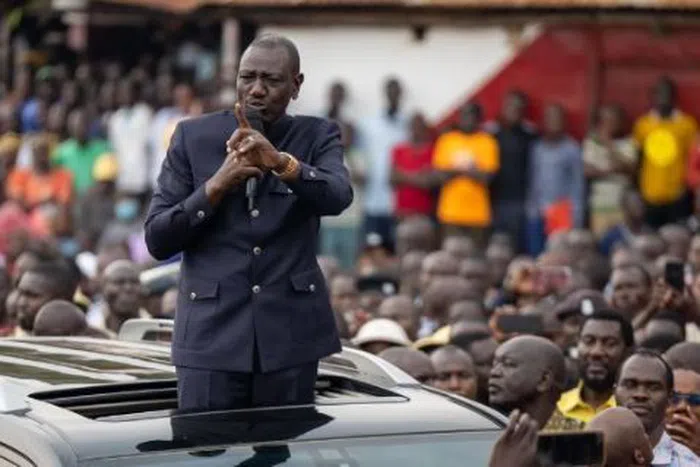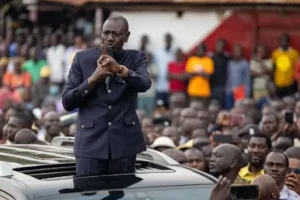


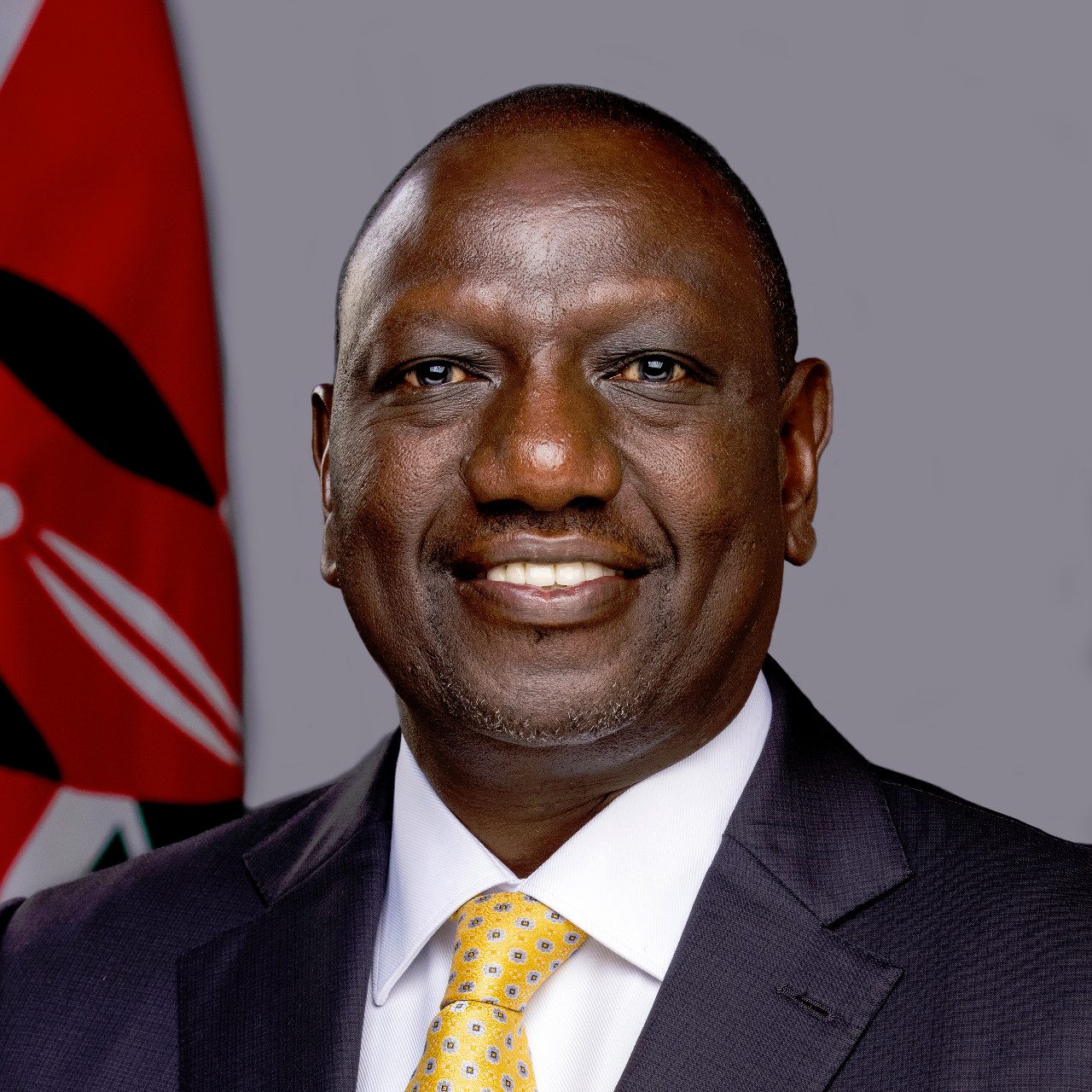

President William Ruto want ODM to support him in 2027. PHOTO/FILE
By CLIFFORD DERRICK,
Makhanda, South Africa.
For decades, the political script for Raila Odinga’s supporters was simple. It was written in protest. It was performed in opposition. The role assigned was clear—to shout, to agitate, to be the conscience and the pressure. This was not an accident. It was a design. Certain communities were cast as permanent outsiders, their political energy converted into spectacle rather than power. Their courage was useful. Their liberation was not.
Now, that script has been torn up. Raila’s final, controversial move was to step off the opposition stage and into the government arena. He negotiated an entry, not as a spectator, but as a stakeholder with a ten-point agenda. This broke the cycle. It replaced the politics of noise with the politics of material transformation—of roads, ports, and economic corridors designed to end the forced migration from his strongholds. His project shifted from seeking applause from the sidelines to demanding delivery from the centre.
This rupture created panic. A system built on certain communities supplying cheap labour and loud opposition does not like it when those communities stop shouting and start counting. When they talk about budgets and infrastructure instead of rallies and boycotts. The fear is not of dictatorship, but of redistribution. Not of protest, but of development that would make people want to stay and build at home.
So a new script is being distributed. It is being pushed through familiar mouthpieces and amplified by useful voices. It says: Reject the deal. Return to the opposition. Go back to shouting. It is financed by those who have the most to lose if the deal succeeds—those who benefit from the current disequilibrium, from a nation where some regions are reservoirs of labour and others are centres of accumulation.
Look at the actors. Former President Uhuru Kenyatta’s administration had years of partnership with Raila. It had the full machinery of the state. The result for Raila’s base was symbolic handshakes and zero structural change. He even lied to Raila that he would make him president in 2022, but looked the other side to give Ruto a through pass- fulfilling their yangu kumi yako kumi promise.

The late ODM leader Raila Odinga, greets former President Uhuru Kenyatta. PHOTO/UGC.
The same Uhuru sabotaged Raila’s AUC bid and his very people celebrated when Raila lost that contest. Now, from retirement, his proxies finance polls and promote internal rebellion to sabotage a new arrangement they call a ‘sale.’ Meanwhile, President Ruto, who actually signed the deal with Raila, is framed as the enemy. It is a perfect paradox. The side that gave you nothing demands your loyalty to fight the side that is, for now, bound by a public agreement to give you something.
This is where Machiavelli’s most brutal insight cuts through. He saw that in politics, you must learn how to enter into evil when necessity demands. But a greater evil is to be perpetually manipulated into fights that are not your own. The historical evil for Raila’s community has not been making deals—it has been being on the wrong side of every deal, or being the useful idiots who break deals that might benefit them. Your leaders were praised for passion but denied power. Your protests were encouraged when they exhausted you, and discouraged when they threatened real accumulation elsewhere.
Now the noise machine is back at full volume. Edwin Sifuna becomes a sudden champion of ‘consultation’ while issuing unilateral apologies to former powers. This is three years after the facts- as if Raila himself was ungrateful to have not shown gratitude to the former power. Really!
Polls are bought to crown new, manageable princes. The goal is to make you allergic to the very concept of being in government, to trigger your old opposition reflexes so you scuttle your own chance at a stake.
So we return to the fundamental question, posed to ODM and Baba supporters countrywide, not in political jargon but in the plain language of survival from the streets: “Jee, mtajitetea mkiwa upande gani?”
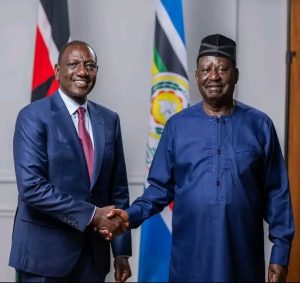
President Ruto and Raila. PHOTO/UGC.
From which side will you defend yourselves?
Will you defend yourselves from the government side, where you finally have a signed agreement and Cabinet seats you can hold to account? Where your leverage is the threat of walking away if the ten-point agenda is not delivered?
Or will you defend yourselves from the opposition side, financed by the very powers that have historically contained you? The side that offers you the familiar, cathartic role of the shouter—a role that makes you feel powerful while keeping you permanently away from the tables where budgets, contracts, and infrastructure plans are signed?
This is the choice. It is not between good and evil. It is between a strategic chance with risks, and a familiar trap with guaranteed poverty. The predators are not just those who attack you directly. They are also those who lovingly guide you back into your cage, who finance your rage to keep you from your reward.
Raila spent a lifetime trying to pick the lock. His last act was to place a key in the door. The current leadership can either turn that key and push the door open, or it can let the shouters on the payroll of the jailers convince everyone to throw the key away.
2026 is not about an election. It is about an audit. It is the year to ask, coldly and clearly, of every leader and every shout: Who benefits from this noise? From which side are you truly defending me?