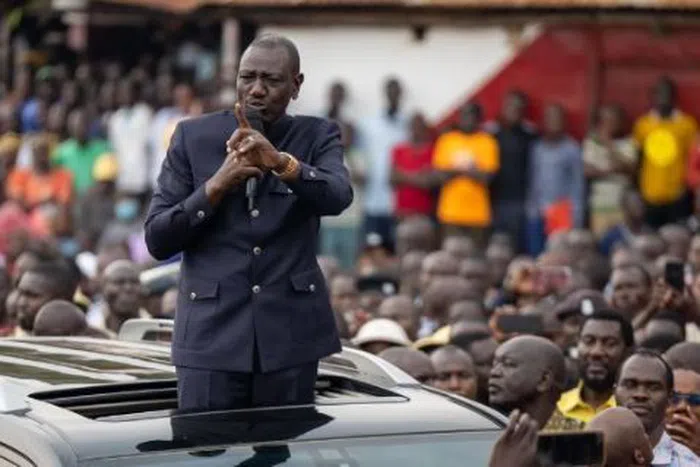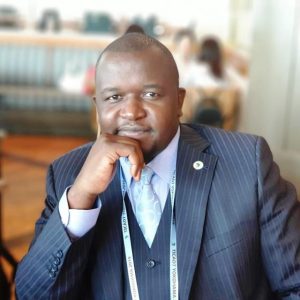


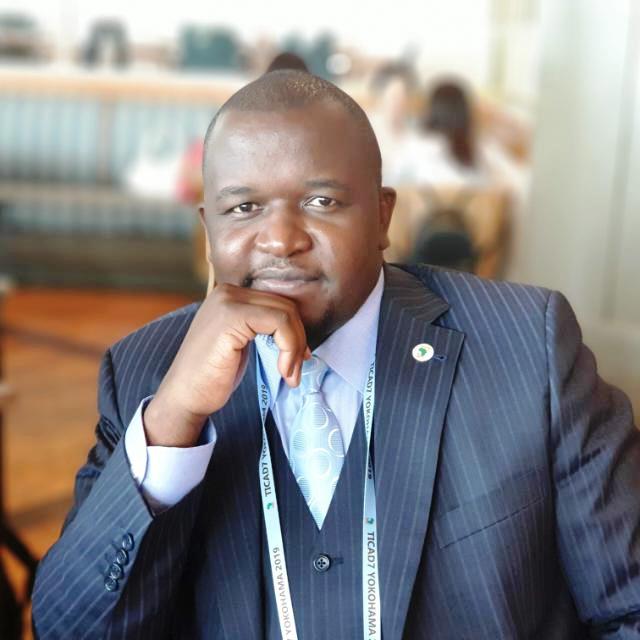
The Executive Director of the Kenya Veterans for Peace organisation, Dr. Nelson Sechere. PHOTO/UGC.
By SPECIAL CORRESPONDENT
The Executive Director of the Kenya Veterans for Peace organisation, Dr. Nelson Sechere, has raised concerns over the exclusion of Non-Governmental Organisations (NGOs) from the newly signed Kenya–United States Health Cooperation Framework, warning that sidelining NGOs could undermine the efficiency and effectiveness of health delivery in Kenya.
Dr. Sechere cautioned that, while the government remains the primary regulator of health services, NGOs have a proven track record of high efficiency and measurable outcomes, often complementing government efforts in crucial ways.
“Many NGOs, as outlined in the NGOs Act, have clearly defined Key Performance Indicators (KPIs) and consistently deliver services with high efficiency. Catholic agencies, for instance, are instrumental in providing healthcare across Kenya,” Dr. Sechere stated.
He also emphasised the importance of maintaining a clear regulatory framework that would allow NGOs to operate effectively while allowing the government to focus on strengthening its public health infrastructure.
“There is a fine line between regulation and micromanagement,” Dr. Sechere added. “NGOs can continue to make a significant impact, but they need the flexibility to operate within a structured reporting framework.”
The Kenya–US Health Cooperation Framework, signed in Washington in December 2023, marks a major shift in US funding, with over Ksh 200 billion earmarked for the Kenyan health sector over the next five years. Under the new model, the US will direct funds directly to the Kenyan government, bypassing the traditional donor-driven framework that relied heavily on NGOs and external partners.
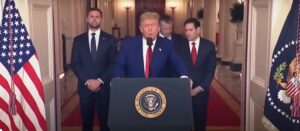
US Secretary of State Marco Rubio, speaking at the signing ceremony, criticised what he referred to as the “NGO industrial complex” for consuming large portions of aid in administrative costs, leaving little for direct healthcare provision.

President William Ruto (left) witnesses the signing of Kenya-USA health deal signed by Prime CS Musalia Mudavadi and US Secretary of State Marco Rubio on December 4, 2025. PHOTO/PCS.
“We are not going to spend billions of dollars funding the NGO industrial complex while close and important partners like Kenya have little or no role in determining how healthcare money is spent,” Rubio declared.
In response, President William Ruto defended the new arrangement, stating that it was anchored in law and aligned with Kenya’s national interests. He dismissed allegations that the shift would harm the healthcare sector, attributing resistance to NGOs seeking to protect their historical roles as intermediaries in US-funded projects.
“If NGOs have a problem with the structure, they should raise it with the United States,” President Ruto stated.
However, some critics argue that NGOs play an essential oversight role in the healthcare system and warn that their removal could weaken accountability. Busia Senator Okiya Omtatah has filed a court petition seeking to halt the implementation of the framework, citing concerns over potential mismanagement and the increased financial burden on Kenya.
“Channelling funds directly through government systems without third-party oversight exposes the resources to mismanagement,” Omtatah warned. He also raised concerns that Kenya’s commitment to match US funding could strain the national budget and exacerbate existing debt pressures.
The framework, which requires Kenya to steadily increase national and county health budgets, is seen as a test case for future US health partnerships with other nations.
As the debate continues, questions remain over the long-term implications for Kenya’s health sector and the role of NGOs in ensuring transparent and effective service delivery.