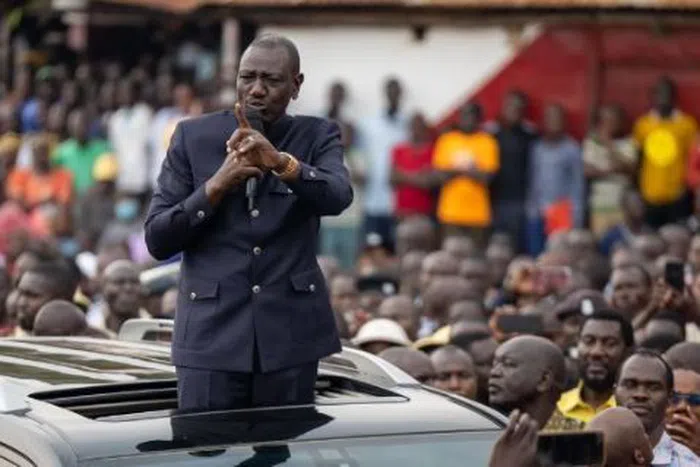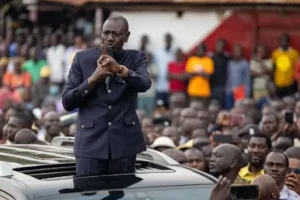


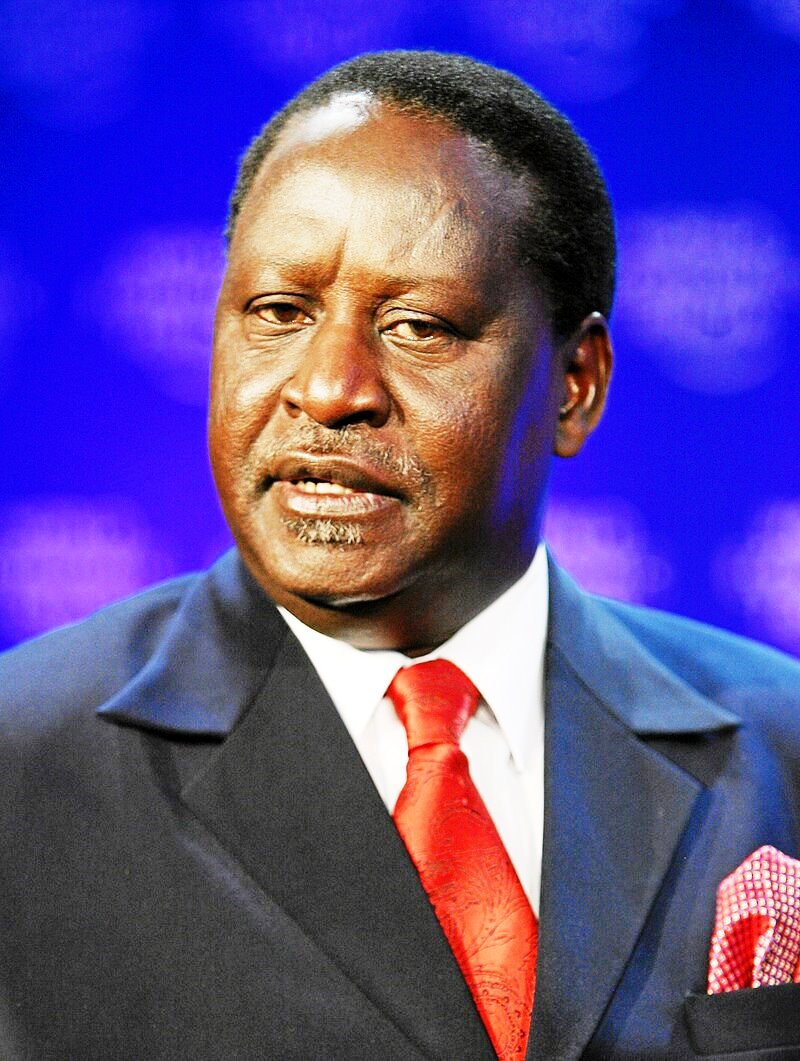
Former ODM leader Raila Odinga. PHOTOS/UGC.
By PATRICK MAYOYO
The Orange Democratic Movement (ODM), Kenya’s largest opposition party, is currently on the brink of a major internal crisis.
A significant faction of party officials is advocating for a pre-election agreement with President William Ruto’s United Democratic Alliance (UDA), with the aim of supporting Ruto’s 2027 presidential bid, contingent on ODM providing a running mate.
This development threatens to divide ODM into multiple factions, reflecting a growing rift between party conservatives and liberals, and mirroring the historical split within FORD, the political vehicle that was once led by Raila Odinga’s father, Jaramogi Oginga Odinga, and the fallout from that division.
Raila, the de facto leader of ODM, passed away recently, leaving a vacuum at the helm of the party. Before his death, Raila had entered into a loose arrangement with President Ruto’s UDA, referred to as the ‘broadbased government.’
However, Raila was clear that this cooperation did not translate into ODM’s automatic endorsement of Ruto for the 2027 elections, leaving the possibility open for ODM to field its own candidate.
Despite this, some ODM officials, particularly those appointed to cabinet positions within the Ruto administration, have argued that Raila’s tacit support for Ruto during his first term should evolve into a more formal arrangement in the 2027 election.
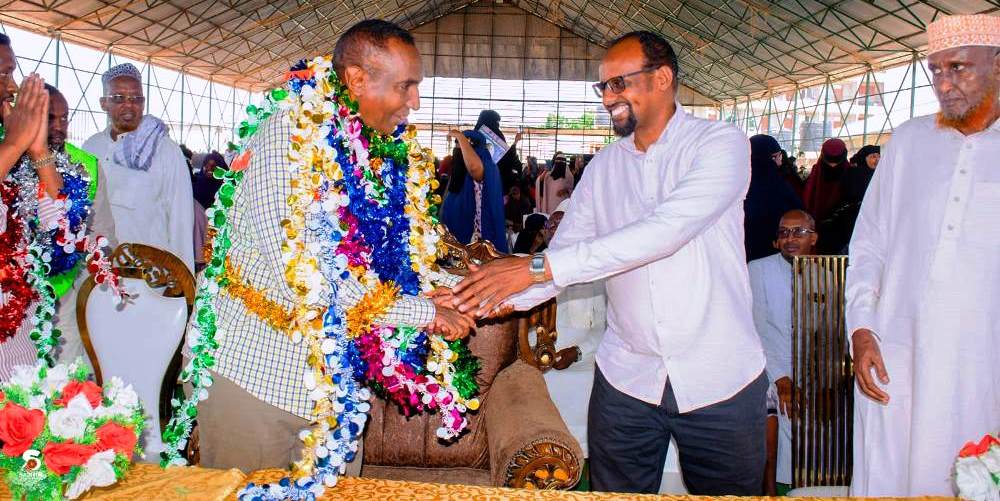
Leading this faction are former Mombasa Governor and ODM Deputy Party leader Hassan Joho, now Mines CS, former Kakamega Governor and ODM Deputy Party leader Wycliffe Oparanya (Cooperatives CS), National Chairman John Mbadi (CS Treasury), Ugunja MP and Minority Whip Opiyo Wandayi (CS Energy).
The CSs, alongside other party officials like Mombasa Governor Adulswamad Nassir, Kisii Governor Simba Arati and several MPs from Nyanza have been vocal about supporting Ruto’s re-election, provided ODM plays a role in his campaign; ideally by offering a running mate.
Contrasting this position are the hardliners within ODM, led by figures like Siaya Governor James Orengo and ODM Secretary-General and Nairobi Senator Edwin Sifuna, together with several MPs and Senators affiliated to ODM.
This group staunchly oppose such an agreement, asserting that ODM should maintain its independent opposition stance and present its own candidate for the 2027 presidential race.
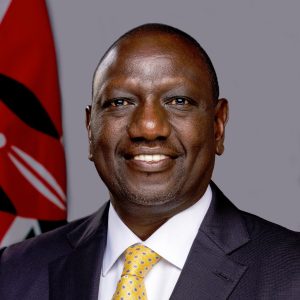
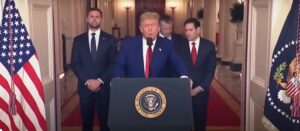
President Ruto. He is keenly following developments in ODM.PHOTO/The Presidency.
The rift between these two factions has intensified following the recent by-elections in Kenya, where ODM and UDA aspirants won several parliamentary and ward seats. This has emboldened the pro-Ruto camp within ODM, further driving their calls for a formal pre-election agreement with UDA.
At the core of ODM’s potential split lies a fundamental ideological divide. On one side, the conservatives within ODM; those aligned with the Cabinet Secretaries, and other prominent figures now integrated into the Ruto government, are increasingly pragmatic.
They argue that supporting Ruto in 2027 would be in the best interests of the party and the country. For them, the political dynamics have changed, and maintaining opposition status without any material gains from the government would be counterproductive.
Their vision aligns with the idea of securing a power-sharing arrangement with Ruto, where ODM gets key positions in government, including the vice-presidency, and plays a pivotal role in the governance of the country.
The liberals within ODM, however, continue to prioritise the party’s role as the primary opposition voice in Kenyan politics. Orengo, Sifuna, and other key figures in this camp see any collaboration with Ruto as a betrayal of ODM’s foundational principles.
For them, the party’s independence and ability to critique government policies is vital, particularly given the historical mistrust between ODM and the ruling party.
They also fear that an ODM-Ruto alliance would diminish the party’s ability to act as a genuine counterforce to the government, potentially leaving it sidelined in a power-sharing arrangement that benefits the ruling elite.
The crisis currently unfolding within ODM bears striking similarities to the division within the Forum for the Restoration of Democracy (FORD) in the early 1990s.
Just as ODM is currently grappling with questions of loyalty and ideological purity, the split in FORD, following the death of its leader, Jaramogi Oginga Odinga, mirrored this battle over the party’s direction and future.
Jaramogi, a founding member of Kenya’s opposition movement, led FORD until his death in 1994. Upon his passing, power struggles among his supporters led to the emergence of two factions: FORD-Kenya, led by the late Kijana Wamalwa and FORD-Asili, led by Kenneth Matiba.
This split was largely driven by disagreements over how to approach Kenya’s changing political arena and how to relate with the ruling Kanu government, which was then led by President Daniel arap Moi.
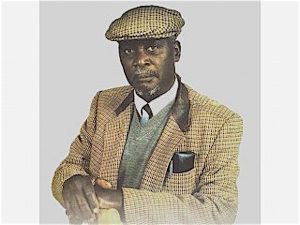
Jaramogi Oginga Odinga, He was among founder members of FORD. PHOTO/UGC.
Just like in the current ODM crisis, the FORD split was about competing visions for the future of opposition politics in Kenya. On one side, you had the more moderate group that sought accommodation and dialogue with Moi’s government in exchange for political concessions. On the other, the hardline faction, that took a more combative stance, rejecting any compromise with the government.
Given the deepening divide in ODM, it seems increasingly likely that the party will fragment into multiple factions in the lead-up to the 2027 elections. The pro-Ruto faction will continue to push for a realignment with the ruling government, driven by pragmatism and a desire for political power.
This group believes that ODM has little chance of securing the presidency on its own and that cooperation with Ruto could secure tangible rewards for the party, including key cabinet positions and the vice-presidency.
Meanwhile, the anti-Ruto faction within ODM will remain committed to opposition politics, opposing any form of alliance with the current administration.
These members will likely argue that to maintain their political legitimacy, ODM must remain a credible alternative to Ruto’s government, focusing on issues of governance, transparency, and national unity.
This growing division is likely to lead to a formal split, with each faction moving in a different direction, either towards full cooperation with Ruto’s UDA or continuing to champion opposition politics.
In a worst-case scenario, ODM could fracture into two or even three factions, which would weaken the party’s ability to contest elections effectively and dilute its influence on the national stage.
The looming split within ODM represents not just an internal crisis for the party, but also a broader shift in Kenya’s political dynamics. As Kenya’s political environment grows increasingly dominated by the UDA and the government’s machinery, parties like ODM must decide whether to remain true to their principles or adapt to a changing reality.
This internal struggle will undoubtedly have a profound impact on the 2027 elections, shaping the future of opposition politics in Kenya for years to come.
The parallels with the FORD split of the 1990s are clear: the battle over power, influence, and the future direction of the party is ultimately a fight for the soul of ODM.
The outcome will not only determine the fate of the opposition but also influence the broader trajectory of Kenya’s political evolution in the coming decades.